
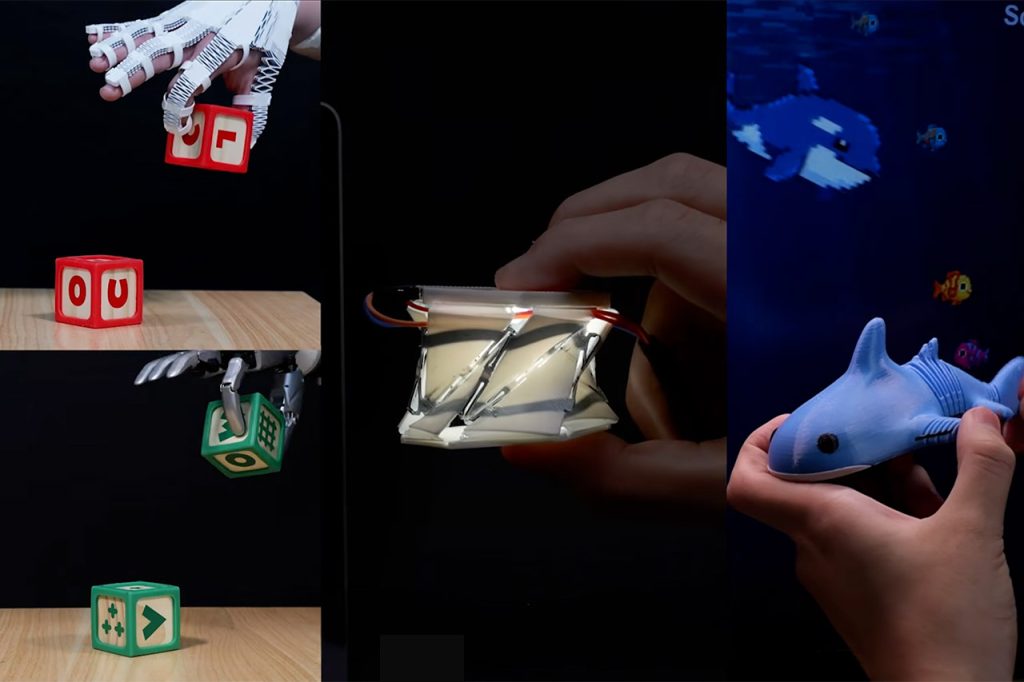
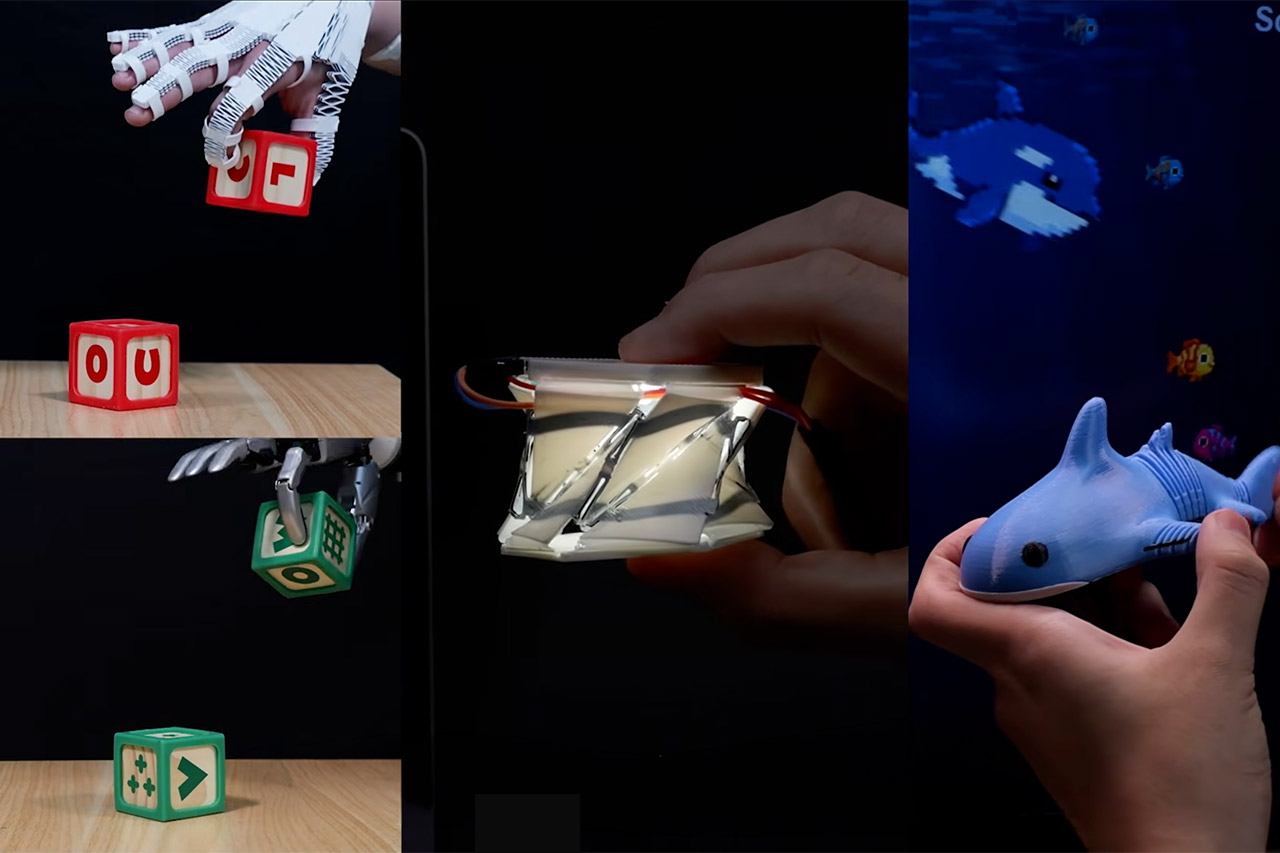
Disney films once filled theaters with clocks, cups, and toys that seemed to notice people and answer back. Researchers at MIT’s Computer Science and Artificial Intelligence Laboratory, working with Tianjin University, have built a design tool that moves that idea out of animation and into a 3D printer. Called X-Hinges, the software lets someone customize an ordinary object, then automatically embeds sensors so the finished piece can detect how a hand presses, pinches, or bends it and react in real time.
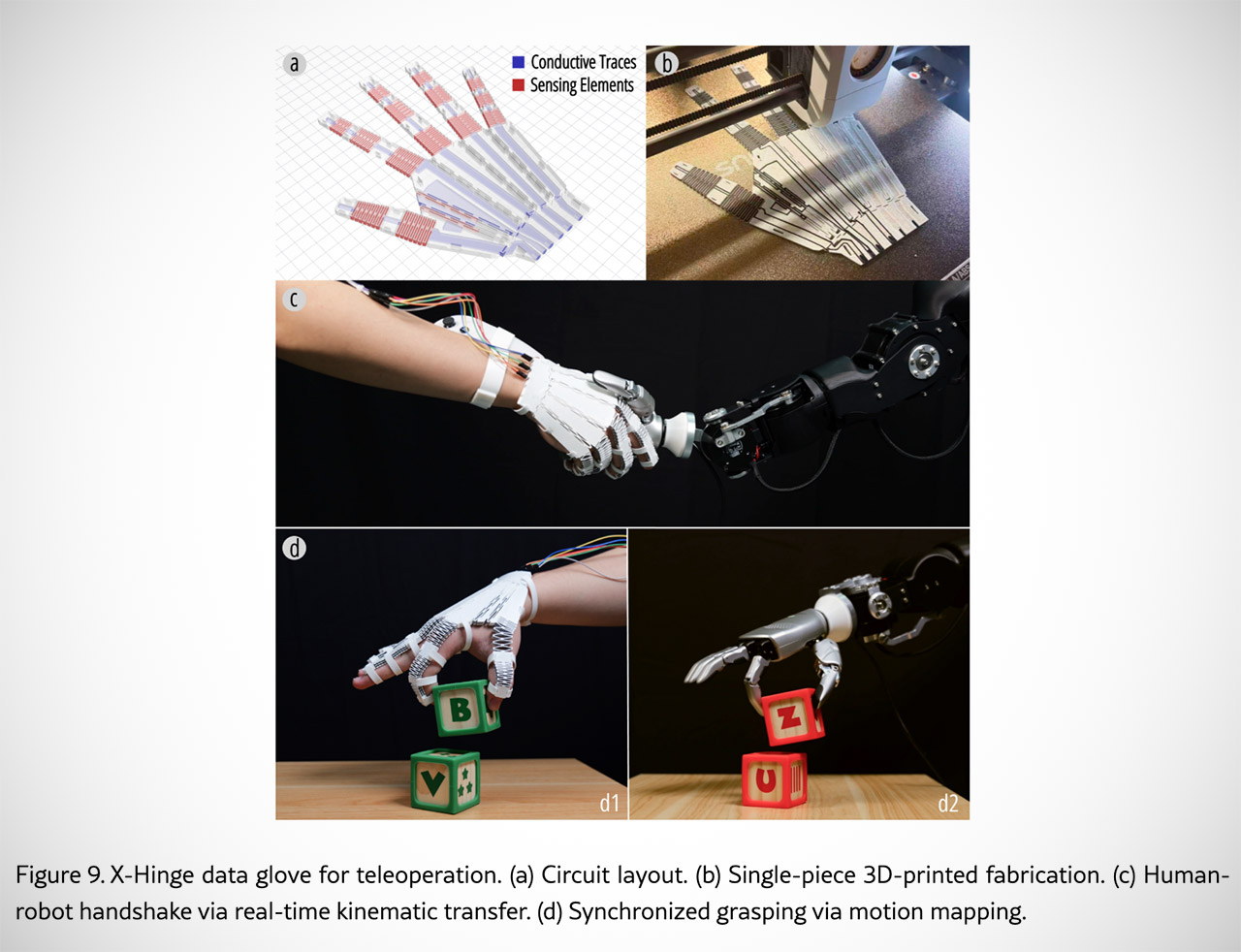
Early attempts to print sensing objects failed because the signal became twisted. Sensors and the tiny wires that convey their data were constructed of the same material, resulting in a large jumble that was difficult to separate. A glove designed to teach a robot how to pick up a block couldn’t determine if a finger had moved sideways or upward. Motions became lost in the noise, and the robot ended up replicating them in an odd way.

Meta Quest 3S 128GB | Virtual Reality — VR Headset — Gorilla Tag Bundle
- CARDBOARD MONKENAUT — Get our best Gorilla Tag bundle yet with this Amazon exclusive deal. Purchase Meta Quest 3S to get exclusive items, including…
- NO WIRES, MORE FUN — Break free from cords. Game, play and explore immersive worlds — untethered and without limits.
- 2X GRAPHICAL PROCESSING POWER — Enjoy lightning-fast load times and next-gen graphics for smooth gaming powered by the Snapdragon XR2 Gen…
X-Hinges solves this problem by printing two completely different conductive filaments in one shot. The sensing elements are made from a single filament, which was chosen for its extremely powerful and clear signal when the material strains or bends. The other one creates the wire-like traces and remains silent so that it does not interfere with the transmission.
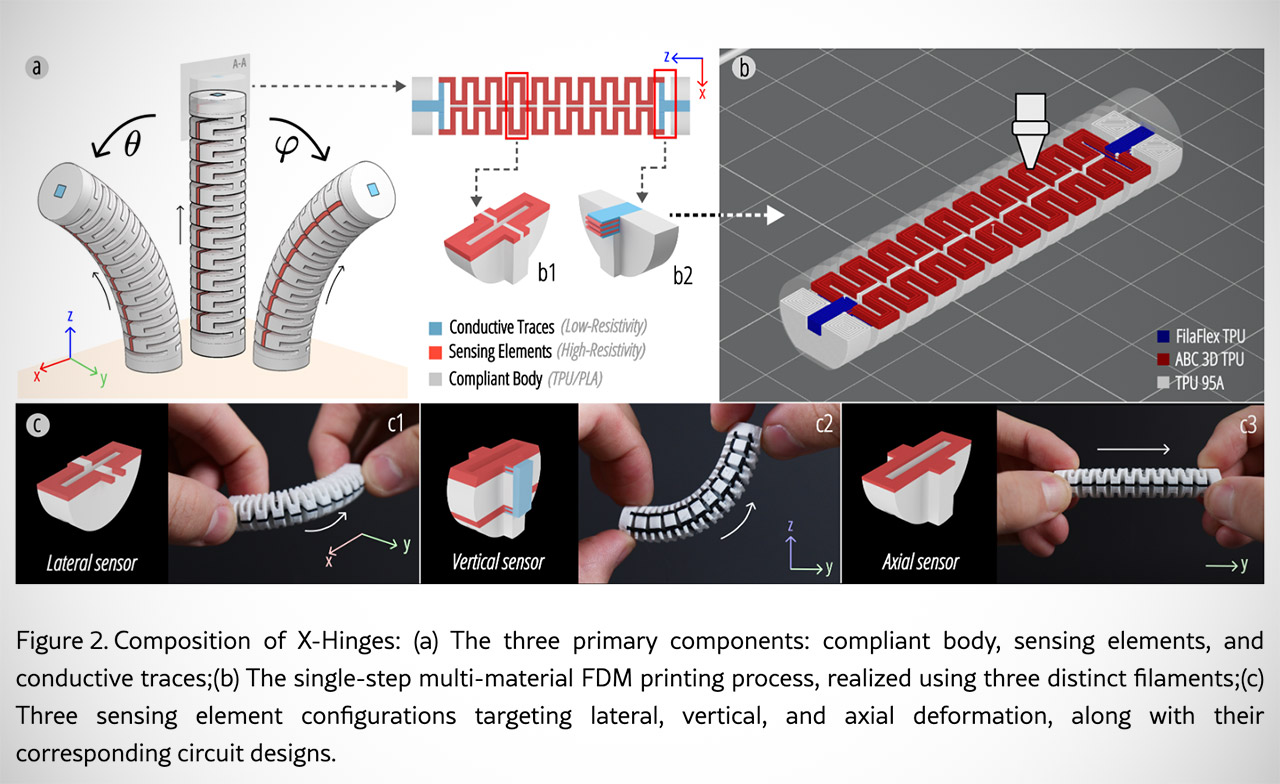
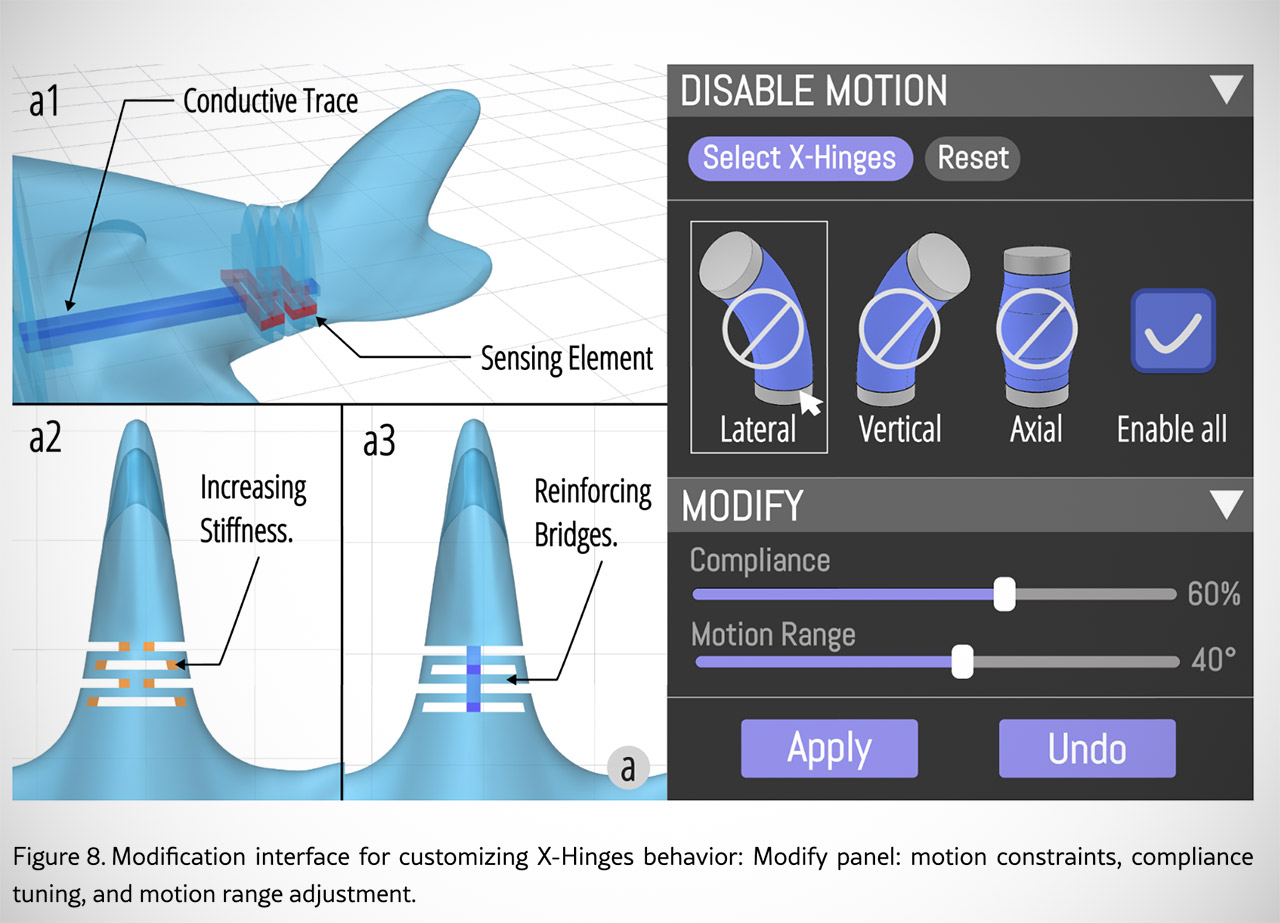
Designers begin with a small set of shapes, such as cylinders, rectangles, thin lines, and bespoke shapes, then determine which bits should be able to move. You can control up to three separate forms of motion at once: squeezing lengthwise, bending up and down, and bending to the side. The program places sensors at the joints and flexible bits, creates multi-material print files, and then sends the rest to a normal fused-deposition printer. There is no need for tedious construction or hand-wired sensors.
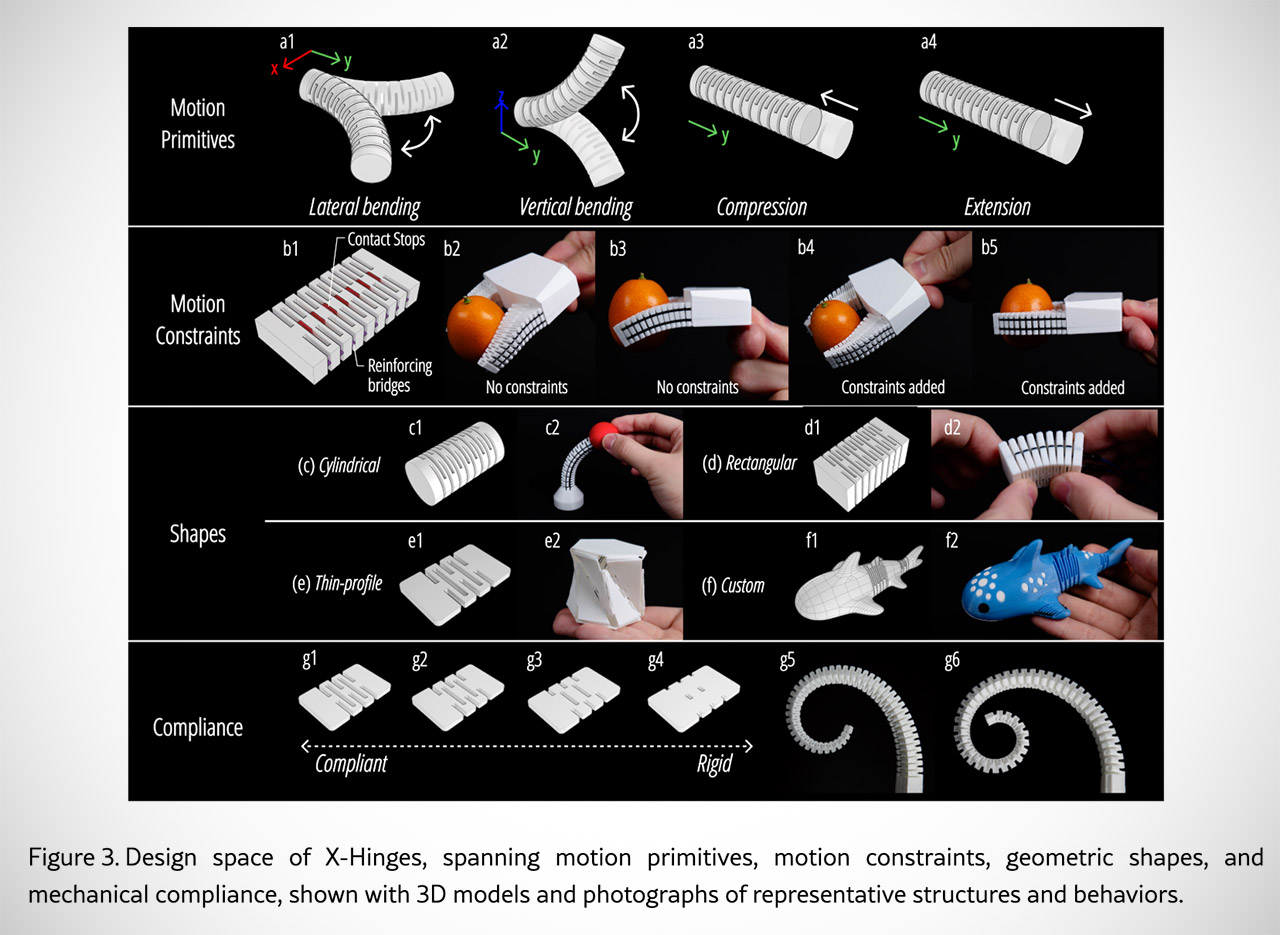
A glove built this way extends to accommodate any hand size, registers how each finger joint bends, and sends the information directly to a robotic hand that replicates the motion. Factory workers or home users could teach a robot a new trick without needing to build a complicated program. A basic light made from a folded piece of paper, similar to origami, follows the same principle. When you pinch it shut, the sensors detect it and dim or brighten the light accordingly. When you open it, the folded paper form expands into a little, compact light that responds to the same touch.
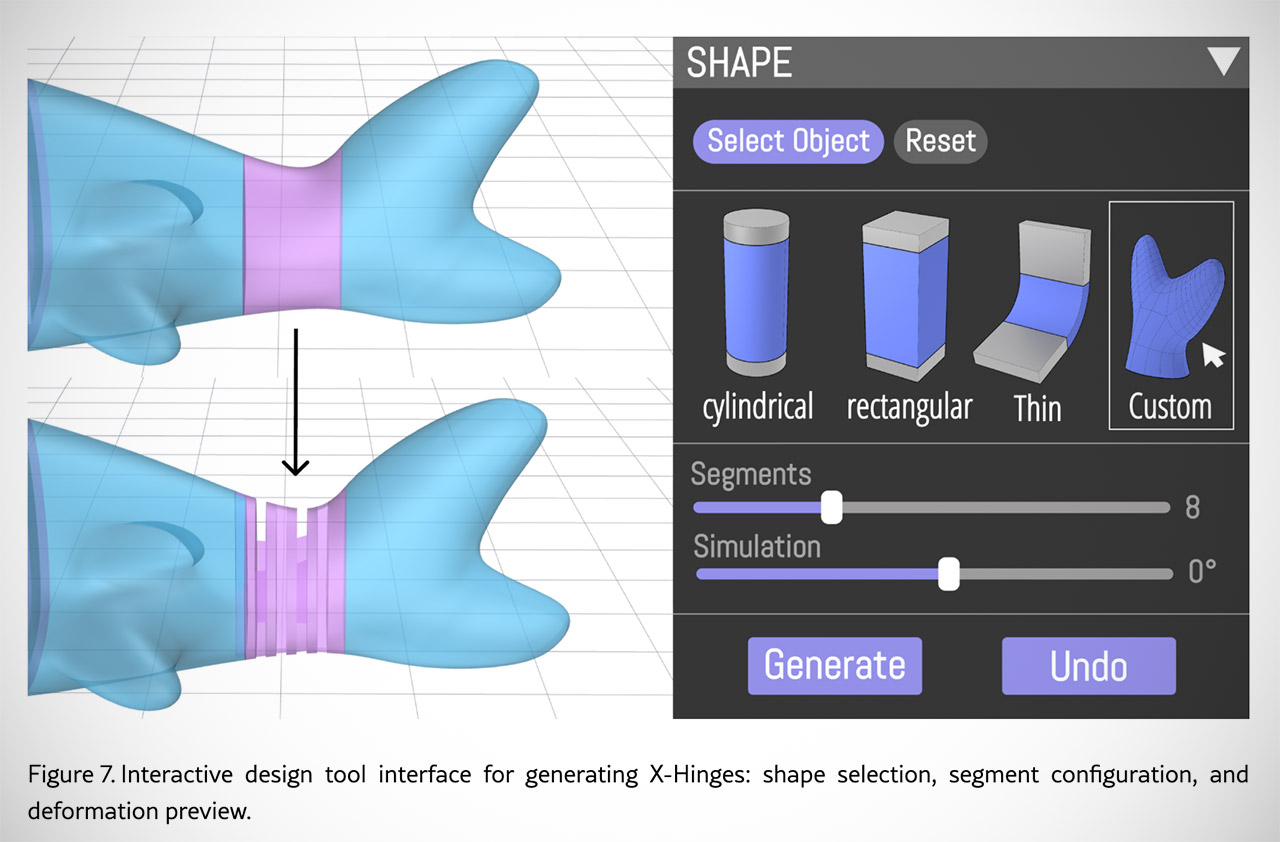
Even a flat sensing surface may distinguish between the objects you place on it. So, put a banana down, and it recognizes the shape almost fast, which could be useful for simple detection stations in stores or security lines. Researchers also created a small game controller shaped like a cartoon shark. They created a bespoke tail, configured it to function as a joystick, and had X-Hinges install the sensors. Moving the tail generates continuous input with no additional circuitry required.
Differences are unavoidable when printing an object, so two gloves that appear to be identical can produce different sensor numbers. This mismatch would be a huge issue for a fitness glove that is utilized by a lot of people. The researchers recognized this issue and included a computer-vision stage to their process to recalibrate the measurements after printing, ensuring that matched devices provide the same data. Ideally, they would incorporate the adjustment into the print process itself. They’ve already addressed some really neat stuff, such as printing tendon-like threads that let items to move on their own, and this time they’re aiming to get both movement and sensing to work from a single print. Imagine being able to design a structure that improves its ability to do and see things at the same time, since that is the type of link between instructions and tools that they are attempting to establish here.
X-Hinges does not convert plastic into living material; instead, it merely embeds transparent sensors wherever an object needs to bend and provides the designer with a finished product that can detect those flexes and provide feedback. Everyday devices that used to only hold water or cast light can now detect and modify their behavior based on the hand that is using them. If necessary, this process can be repeated one printed layer at a time.
[Source]
X-Hinges Software From MIT Helps Designers Create Self Aware Everyday Objects That Respond to Touch
#XHinges #Software #MIT #Helps #Designers #Create #Aware #Everyday #Objects #Respond #Touch
