
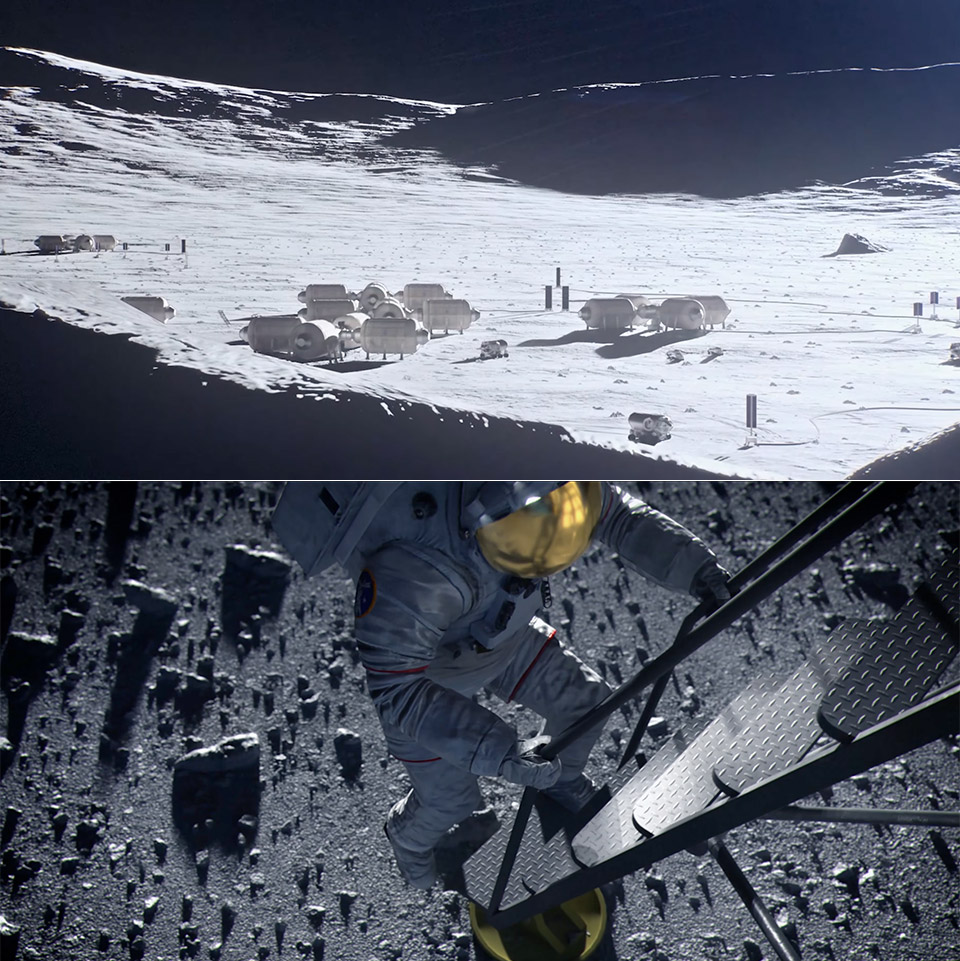
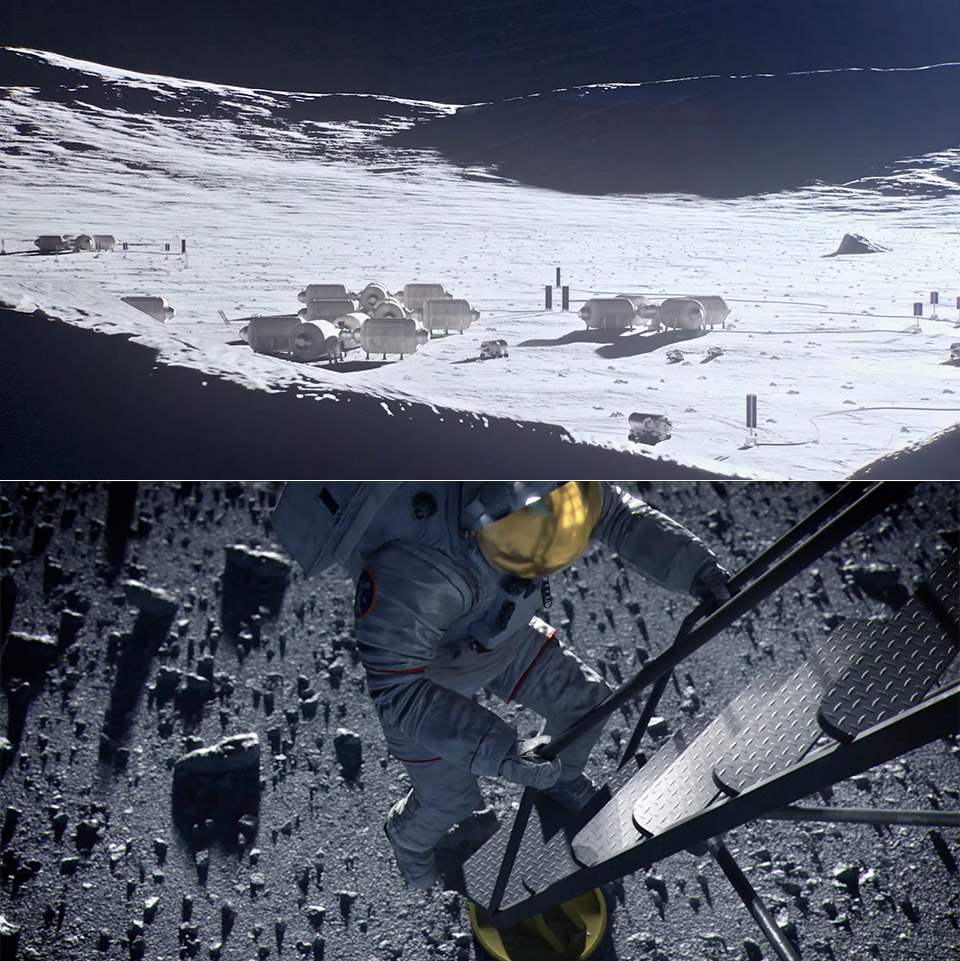
NASA just laid out clear progress on the vehicles that will let astronauts move around the lunar south pole and help set up the first lasting outpost there. The October 20 update and accompanying video show both the robotic scouts and the crewed lunar terrain vehicles staying on schedule for delivery and arrival well before crews touch down.
VIPER takes center stage as the robotics effort begins. The Volatiles Investigating Polar Exploration Rover, which has nearly finished construction and testing at Johnson Space Center, is currently on its way to Kennedy Space Center to prepare for launch. Blue Origin’s Blue Moon Mark 1 lander will make its next visit in 2027 on the south polar surface. Once there, VIPER will travel more than 18 miles to examine the perpetually shadowed craters, which remain at a cold minus 334 degrees Fahrenheit. It will measure temperatures, illumination levels, terrain, and look for water ice and other things that could allow for extended stays. Meanwhile, researchers at the Ames Research Center have already done simulations of the numerous scenarios that the rover will face, ensuring that controllers are well-prepared when operations begin.

LEGO Icons Hubble Space Telescope 11382 | Building Sets for Adults, Ages 18+, Space Model Decor, Home…
- EXPLORE THE HUBBLE SPACE TELESCOPE – Celebrate one of humanity’s greatest scientific feats while enjoying a relaxing building experience with the…
- REPLICA SPACE MODEL – Recreate the legendary space-based telescope with posable solar arrays and antennas, an opening aperture door and a detailed…
- AUTHENTIC DETAILS – Remove the exterior panels to reveal a detailed instrument bay, which features gyroscopes alongside primary and secondary…
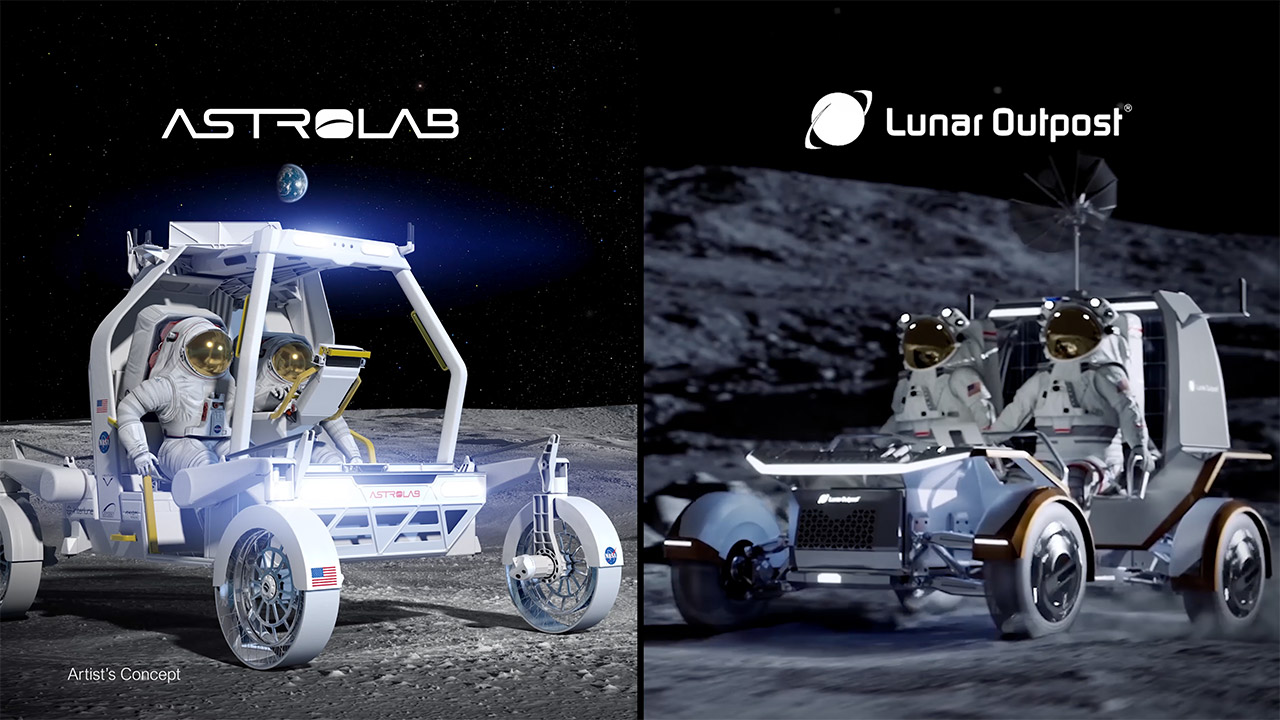
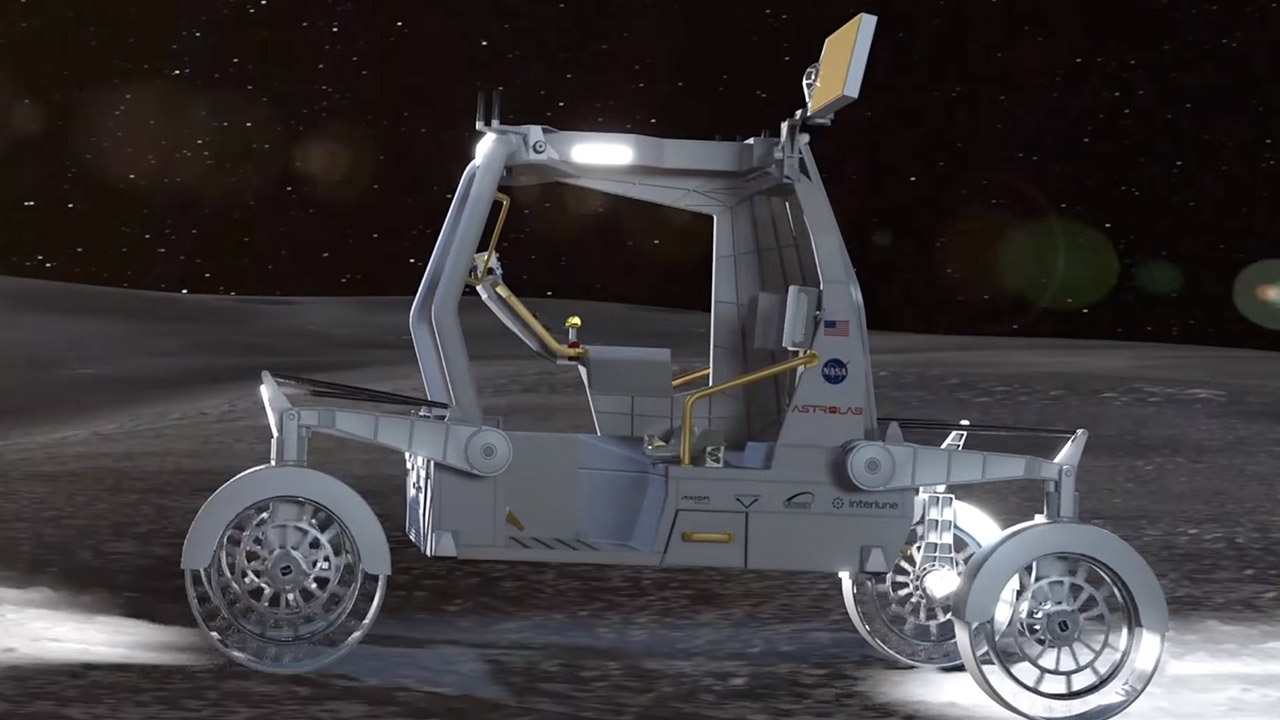
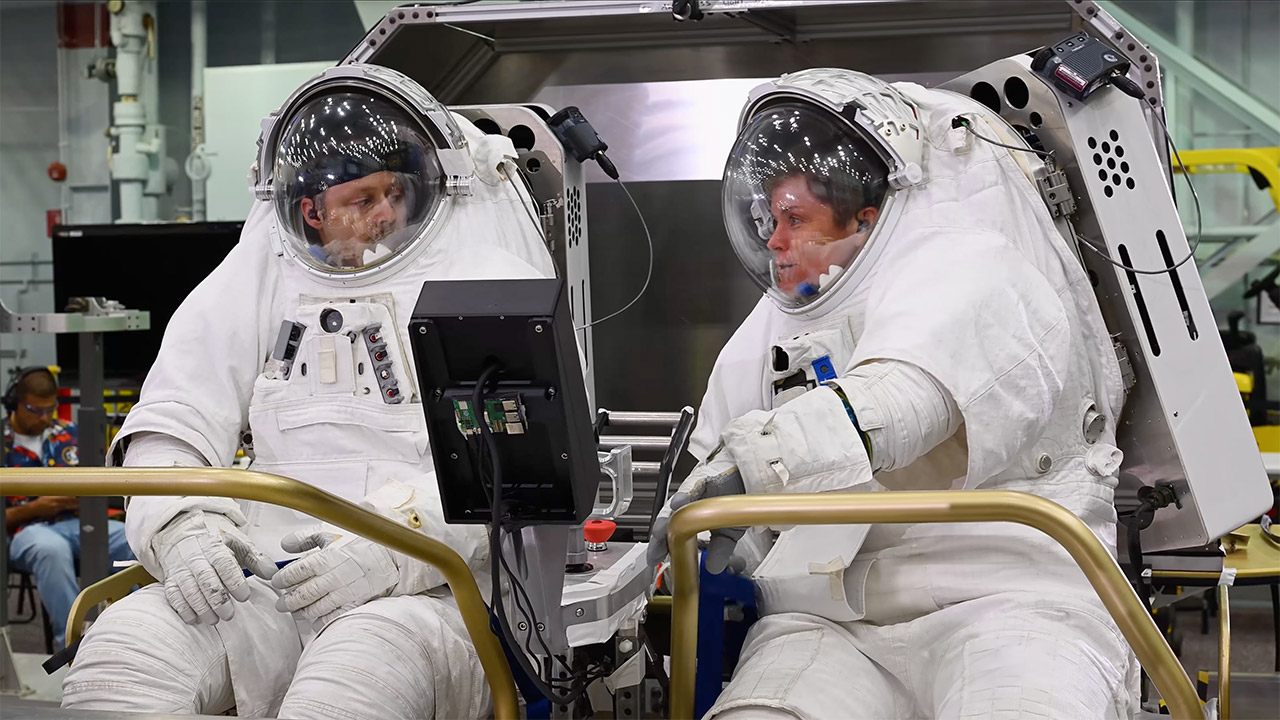
Two private companies are hard at work on the larger lunar terrain vehicles that humans will someday use to move around. Astrolab’s Crewed Lunar Vehicle 1, or CLV-1, is inspired by the company’s FLEX platform, and the good news is that NASA astronauts have already tested a prototype at Axiom Space while dressed in Artemis spacesuit mockups. The evaluation method was heavily focused on cabin layout and display interfaces. Before CLV-1 reaches the Moon, Astrolab will launch a smaller robotic rover dubbed FLIP on Voyager Technologies’ Griffin Mission One later this year. FLIP’s primary mission is to test tires, batteries, radios, and cameras for use in the crewed vehicle, as well as collect crucial environmental data from the south pole.
Lunar Outpost is developing Pegasus, a lighter-weight design that is a refinement of its previous Eagle model. Not long ago, astronauts in pressurized suits examined a static mockup at Johnson Space Center to assess how user-friendly and pleasant it was. As an aside, the company’s MAPP robotic rover completed its mission at the south pole in 2025, providing the crew with important expertise with thermal control, navigation cameras, and remote control software. They intend to send a second MAPP in early 2027 to give the team even more flight experience before Pegasus arrives.
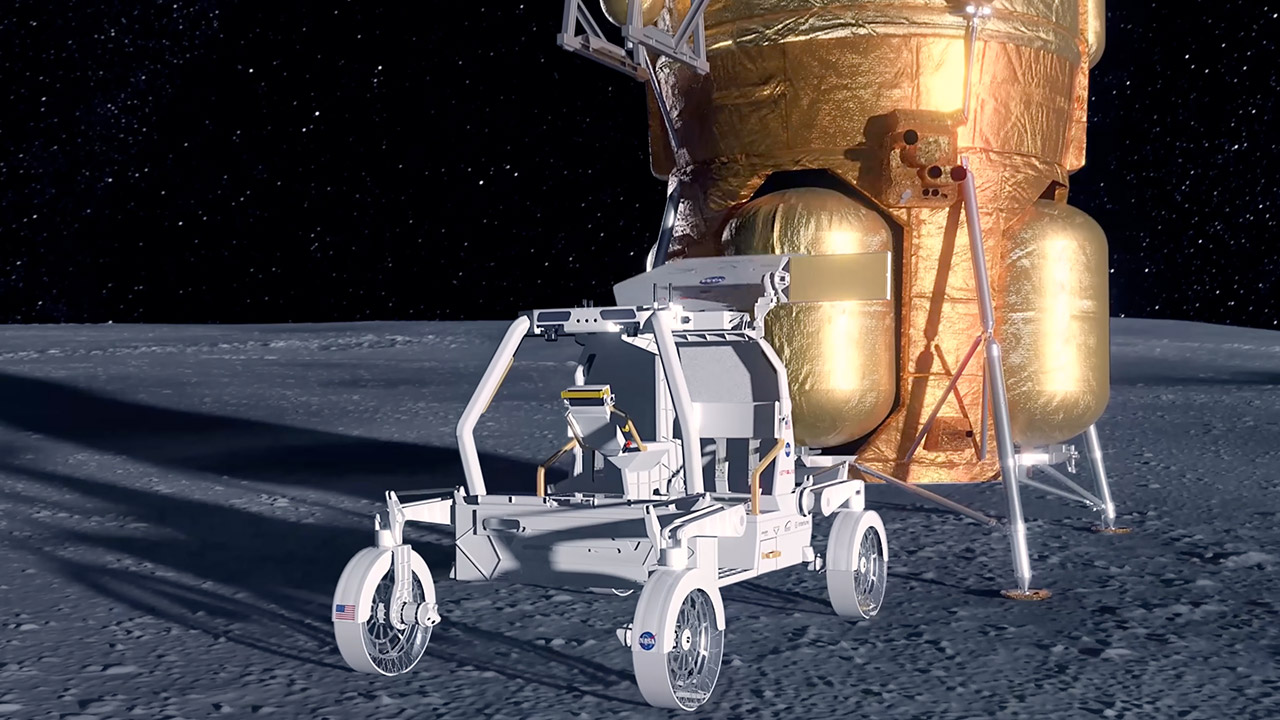
Both companies are getting close to testing their wheel designs at NASA’s Glenn Research Center. Astrolab is looking into flexible airless wheels, while Lunar Outpost is testing its spring-mesh tires to determine how well they grip and manage simulated lunar soil. In the coming months, the teams will be able to put their drivable mockups through a series of runs with NASA crew members, allowing them to experience firsthand how the vehicles handle in real-world lunar circumstances. Lunar Outpost hopes to complete its preliminary design review this month, while Astrolab plans to conclude theirs by the end of December. It appears that both remain on target to deploy flight-ready hardware by the end of 2027.
Blue Origin’s Commercial Lunar Payload Services task order includes transporting lunar terrain vehicles to the south pole by 2028. Once on the surface, the vehicles may be piloted remotely from Earth at speeds of up to 3.7 miles per day, surveying the region in great detail and collecting data on lighting levels, navigation, and how well they maintain power when entering and exiting deep cold. When astronauts do arrive, the identical vehicles will be capable of supporting up to three moonwalks each mission, carrying up to 176 pounds of samples and tools, and traveling up to six miles on a single battery charge.
NASA’s Moon Base Rovers Roll Ahead as Astrolab and Lunar Outpost Hit Key Marks
#NASAs #Moon #Base #Rovers #Roll #Ahead #Astrolab #Lunar #Outpost #Hit #Key #Marks
