

Want to bookmark your favourite articles and stories to read or reference later? Start your Independent Membership today.
Already a member?
Log in
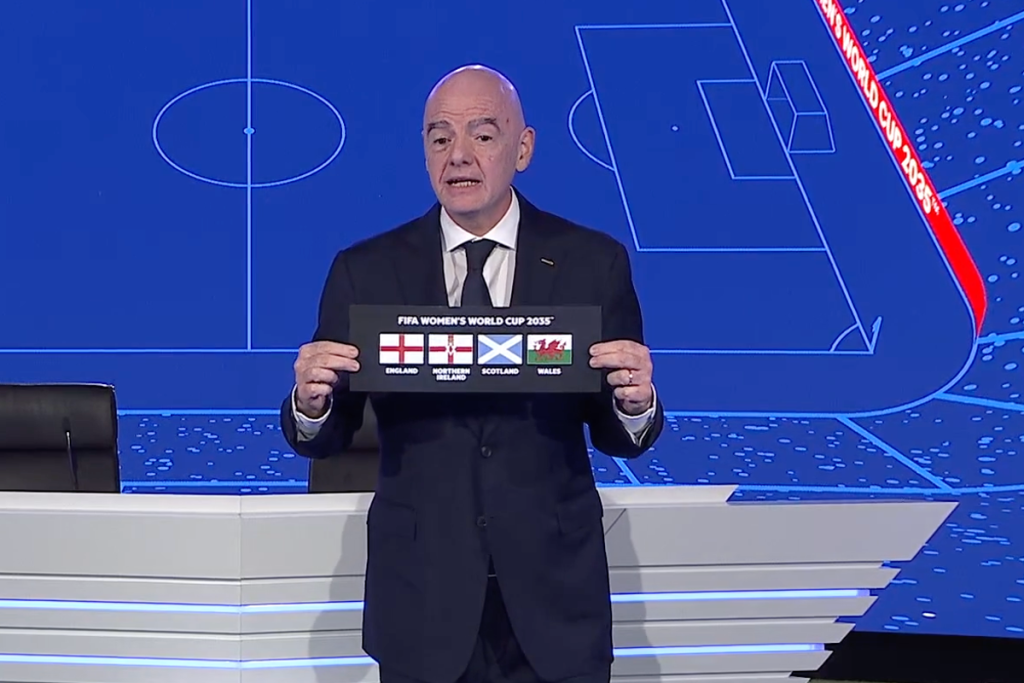
The home nations expect Fifa to be in a “different place” by the time they host the Women’s World Cup in 2035 after withdrawing their support for president Gianni Infantino earlier this year.
The joint bid from England, Northern Ireland, Scotland and Wales was approved at the Fifa Congress on Monday, although it was the sole bidder to host the 48-team tournament and was voted through by acclamation.
The tournament will be the first World Cup to be held in the UK since England hosted the men’s World Cup in 1966, but it comes just months after the chair of the English FA, Debbie Hewitt, demanded an independent investigation into Infantino’s scrapped World Cup sell-off plan and the Folarin Balogun affair, as well calls for further Fifa reform.
Infantino has retained the support required for re-election in March but cannot continue beyond 2031, and the FA’s director of women’s football Sue Day believes there will be significant change within Fifa as the home nations prepare to work alongside the governing body on staging the World Cup in 2035.
There have already been some challenges, with Fifa reportedly demanding tax-free status from ticket sales and broadcast and commercial partnerships, something that the UK government has not allowed when previously hosting major events such as the 2012 Olympics and will not offer to Uefa when they stage Euro 2028.
“There are two separate issues here, the concerns around the Fifa leadership and their proposals, and then this World Cup,” Day said on Monday.
“We very much want today to be about the excitement of this World Cup and we didn’t want those concerns to get in the way of us trying to land the opportunity to put on this amazing tournament that we think can change the world of football.
“By the time the tournament comes around, lots of things will have changed. We expect Fifa to be in a different place.
“We know that there is a brilliant team there right now, led by Jill Ellis [former USA manager, now Fifa’s Chief Football Officer], leading women’s football and we’re really looking forward to working with them on developing the tournament.”
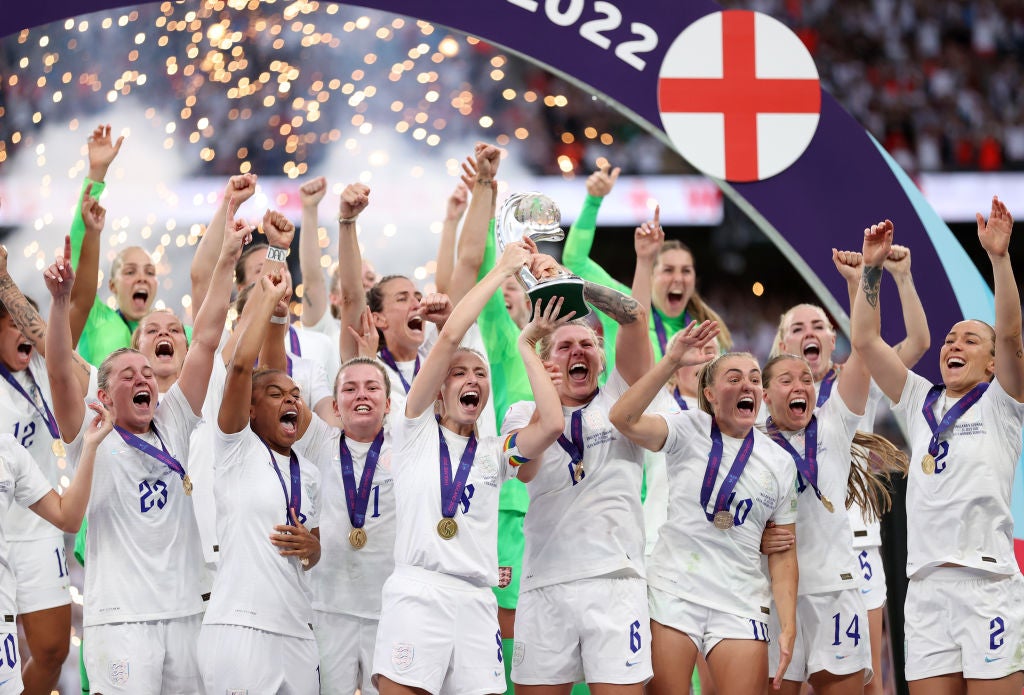
Day also said that the home nations hope to have a “strong influence” on the pricing of the tournament. Fifa were accused of “betrayal” and price gouging when the ticket prices were revealed for last summer’s men’s World Cup in North American last summer but tickets for the 2027 Women’s World Cup in Brazil will go on sale for as little as £4 next month.
But Fifa is targeting revenues of $4bn when it stages the first 48-team World Cup in 2031, in the United States, Mexico, Costa Rica and Jamaica, and will be setting similar targets for the England, Northern Ireland, Scotland and Wales bid.
“At the moment, the model is absolutely that Fifa decides those things,” Day said. “We will hope to be able to have a really strong influence on some of that because we know our audiences best.
“It’s going to be really important to get the pricing right. We all know that we need to show the commercial viability of women’s football, and we want this to be an accessible tournament.”
A 48-team Women’s World Cup would see the UK will host 104 matches across 39 days in 2035, in the largest single-sport event ever to be staged in the country, and Day said success for the tournament will be judged on its potential to transform society as well as what happens on the pitch.
“This is genuinely once in a lifetime, once in a generation,” Day said. “There wouldn’t have been a World Cup on this soil since 1966, which would be nearly 70 years away.
“And so I think just collectively, I want us to grasp the opportunity of this moment and really build towards it and think of it as, it will be the most amazing tournament, but it’s [also] a catalyst for growth and inspiration and something to springboard from.
“I think we can change the world a little bit with the tournament and we should aim that high. Why wouldn’t we aim that high?”
