

Want to bookmark your favourite articles and stories to read or reference later? Start your Independent Membership today.
Already a member?
Log in
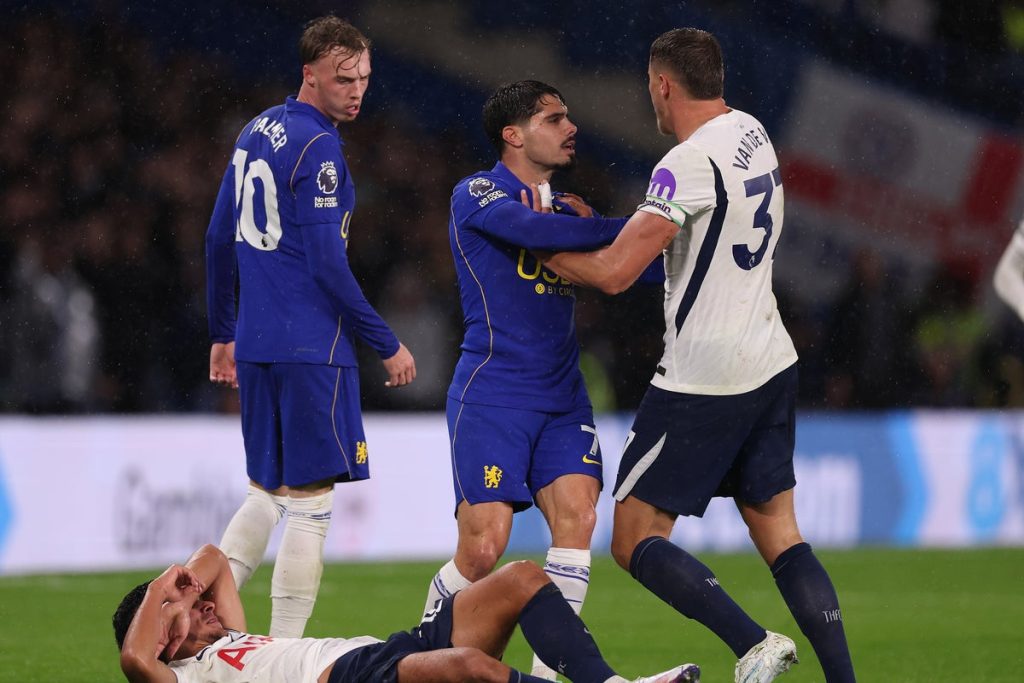
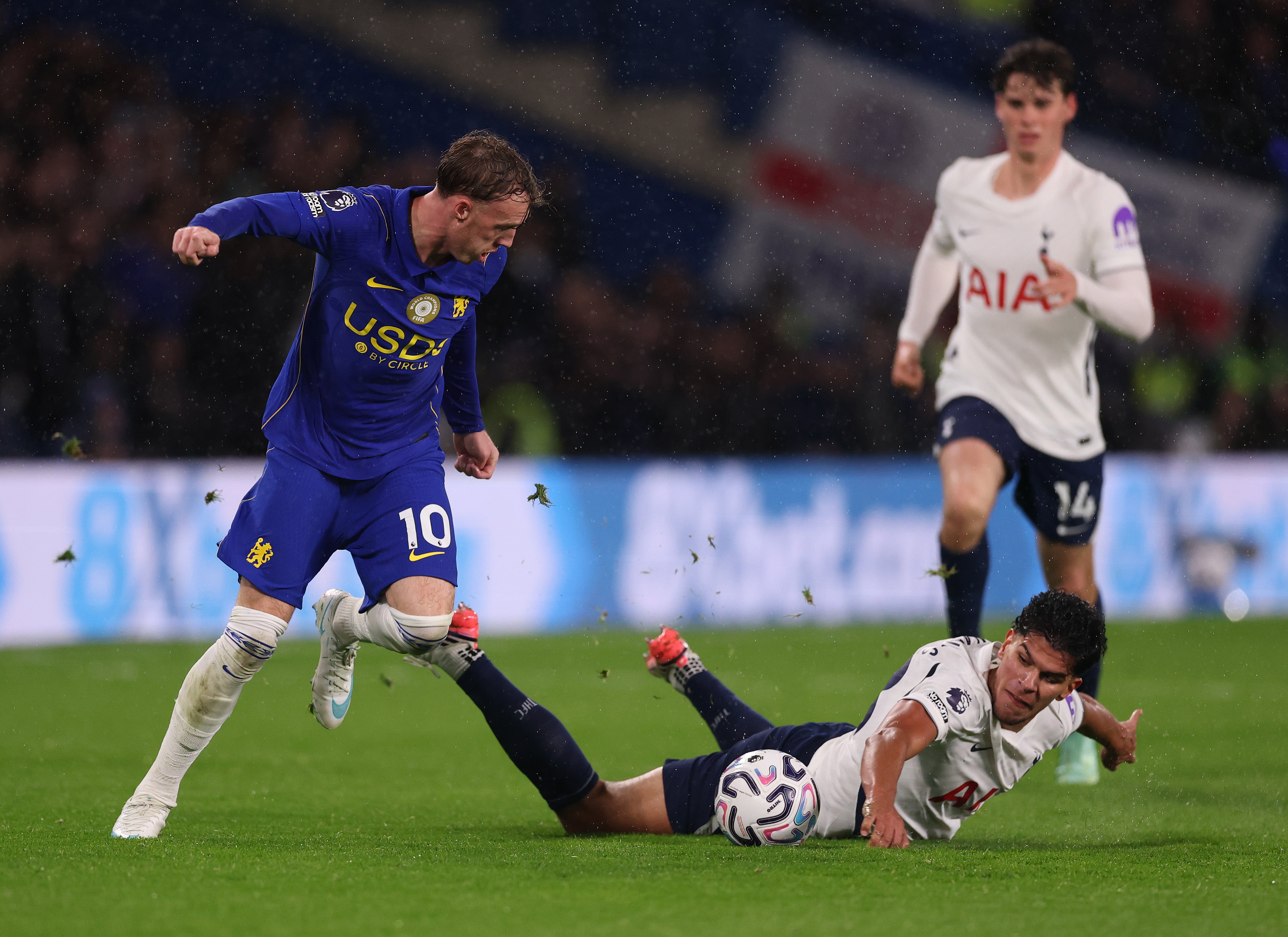
Chelsea forward Cole Palmer ought to have been dismissed ten minutes prior to his eventual sending-off against Tottenham, an independent assessment panel reviewing Premier League refereeing and VAR decisions has concluded.
Following an altercation between Palmer and Spurs player Mateus Fernandes during the 70th minute at Stamford Bridge on October 24, the Key Match Incidents (KMI) panel determined that the England international deserved a straight red card.
By a 3-2 majority, the five-member panel decided that referee Chris Kavanagh’s initial call on the pitch was mistaken. Three panellists viewed Palmer’s challenge on Fernandes as violent conduct warranting dismissal, noting there was “clear contact to the head” along with behaviour deemed “unnecessary, dangerous and made with excessive force”.
Nevertheless, all five panellists agreed with VAR John Brooks’s choice to refrain from advising an on-field review, backing his decision to stand by the original yellow card awarded by the match official.
Palmer was ultimately ordered off ten minutes later in the 80th minute after receiving a second booking following a foul on Conor Gallagher.
In a separate evaluation from the same day, the KMI panel judged that Aston Villa ought to have been awarded a spot-kick during their victory against Manchester City after Elliot Anderson tangled with Johan Manzambi.
Three members of the panel argued that Anderson made no effort to play the ball and intentionally widened his posture to block Manzambi’s path.
Although a 3-2 majority felt the VAR was correct not to intervene with a review recommendation, two panel members contended that a clear and obvious error had occurred.
According to Premier League figures, 88 per cent of 162 key incidents evaluated by the panel this season were correctly judged on the pitch, matching performance levels from the same phase last year. That accuracy rate rises to 99 per cent once VAR intervention is taken into account.
Examining the fixture between Coventry and Fulham, the panel noted that VAR Jarred Gillett should have prompted referee Adam Herczeg to check a late first-half incident, despite agreeing with the ultimate outcome reached on the pitch and in the video room that no penalty be given to Fulham.
It noted an impactful hold by Fulham’s Calvin Bassey prior to the corner kick being taken, succeeded by an infringement from Coventry’s Bradley Thomas-Asante once the ball entered play. The panel accepted that the VAR had properly spotted both offences.
In its findings, the panel explained: “In this situation, as Bassey commits an offence before the ball is in play and the holding action of Thomas-Asante met the threshold for a penalty to be awarded, the VAR should recommend an on-field review to allow the referee to consider both holding actions and reach the correct outcome of retaken corner.”
The Premier League is currently participating in an International Football Association Board trial that permits video officials to step in if an attacking player commits a pre-kick-off foul at set-pieces that directly affects a goal, penalty, or red-card decision.
