
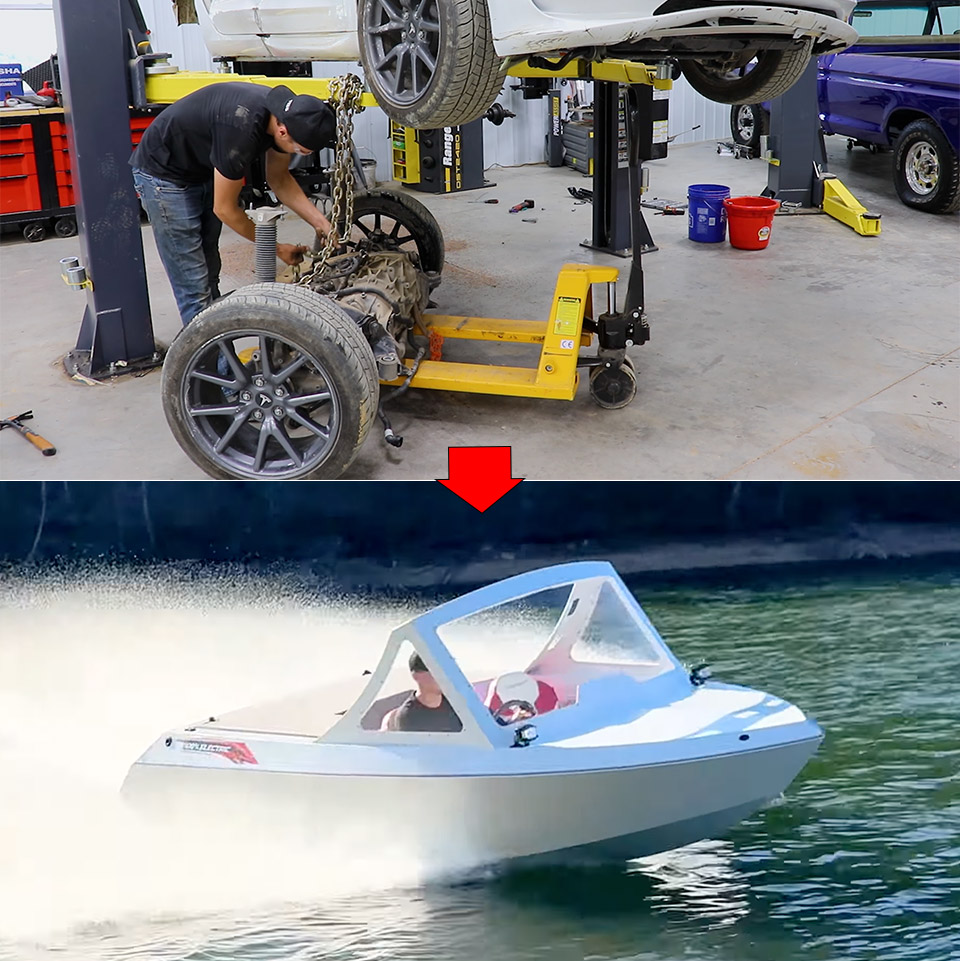
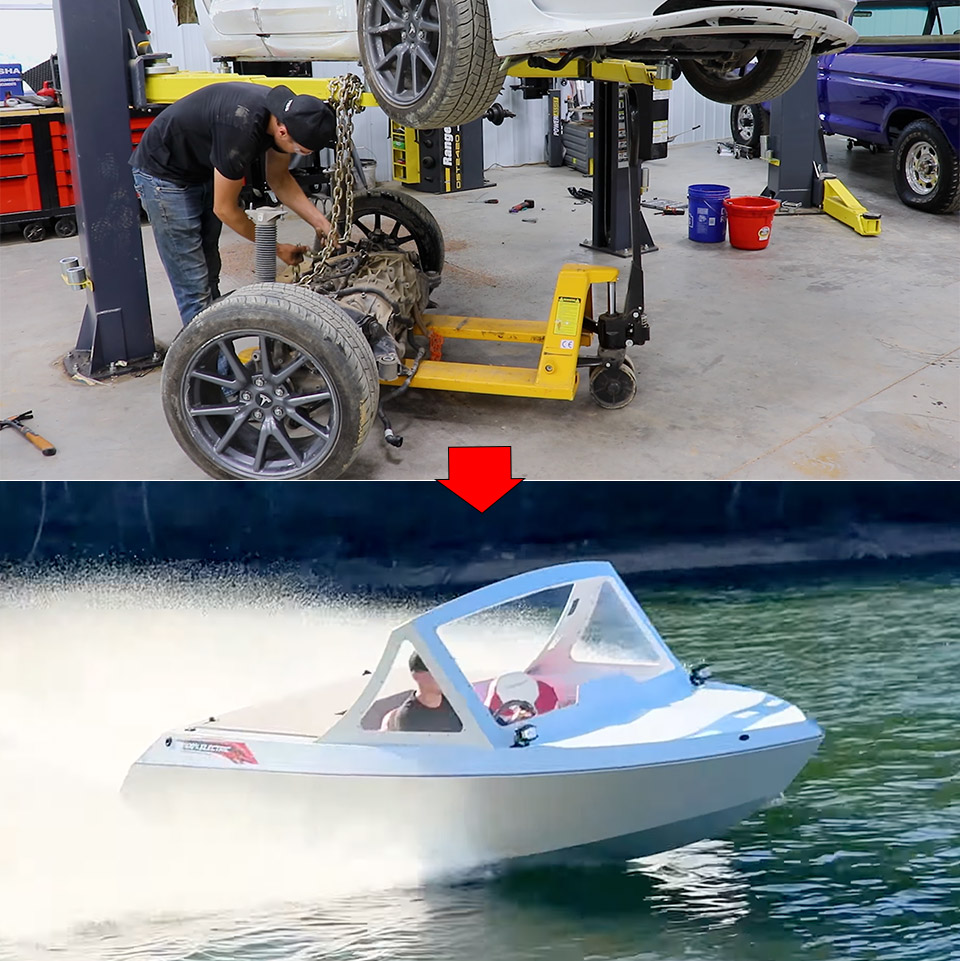
Tyler Fever of Prop Department started with a 2021 Tesla Model 3 and a simple goal of learning how high-voltage electric systems work. Three years later the same parts sit inside a hand-built aluminum mini jetboat that he calls the first of its kind named Cyberboat.
Fever purchased a kit of aluminum panels, welded and riveted them together to form a tiny hull, and then made room for the Model 3’s motor and four battery modules, which weighed approximately 150 pounds each. To make place for the lot without toppling over, he ended up stacking the four battery modules in custom laser-cut shells vertically. There is a conventional EV charging connector on the side, allowing the hull to connect to the same public chargers as a Model 3, much like a regular car.
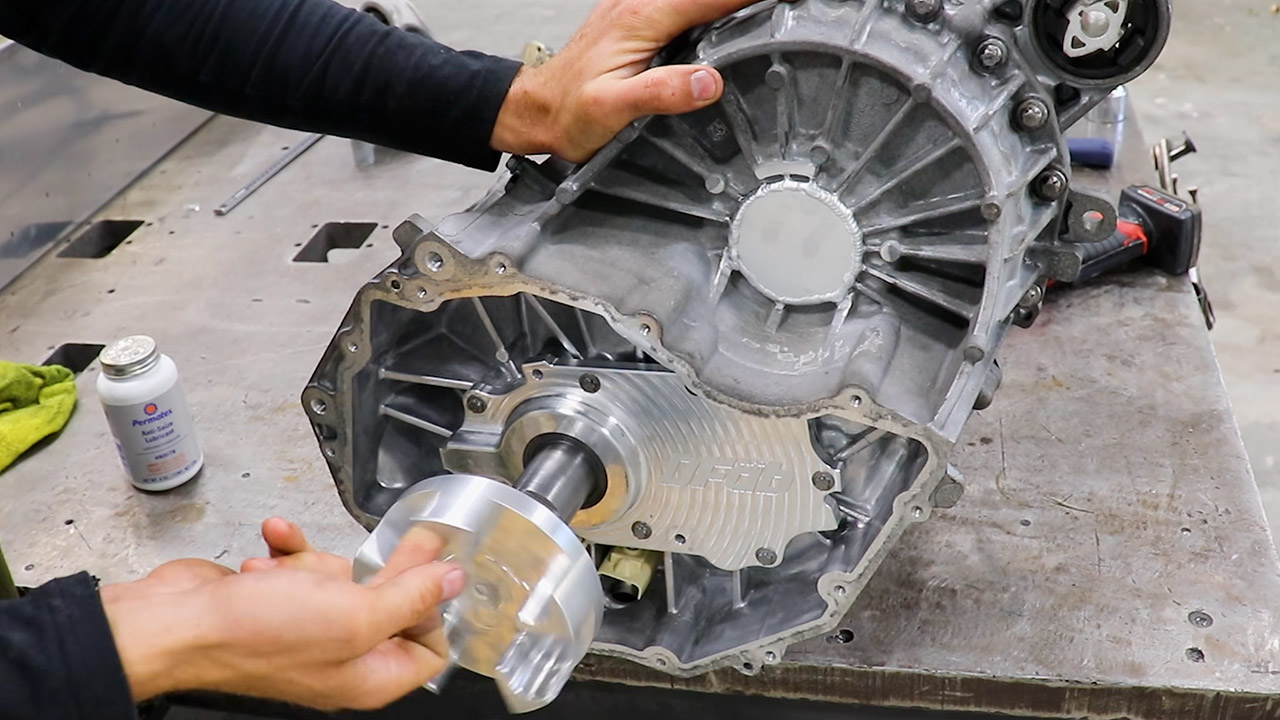
The stock Model 3 motor has a 9-to-1 ratio, which is great for driving wheels but not ideal for a jet pump. So Fever created a bespoke shaft that locks directly onto the rotor, leaving the motor’s oil passageways intact and simply sending the motor’s high-rpm output right through to the impeller. The early prototypes were produced from 3D printed plastic, but the final pieces were created by a local machine shop.
Later, he replaced the original motor with a modified Model S unit capable of producing more than 350 horsepower and spinning at almost 18,000 rpm. The OEM Tesla controllers didn’t work well with the aftermarket hardware, so he had to disassemble the pack again and install an Orion battery management system and a third-party inverter with a custom control board. The entire setup operates at approximately 385 to 400 volts and remains liquid cooled, just like the original Tesla pack. However, after allowing the boat to sit for a while, some of the cells had died, forcing him to replace two of the four modules before the boat could be fully charged.
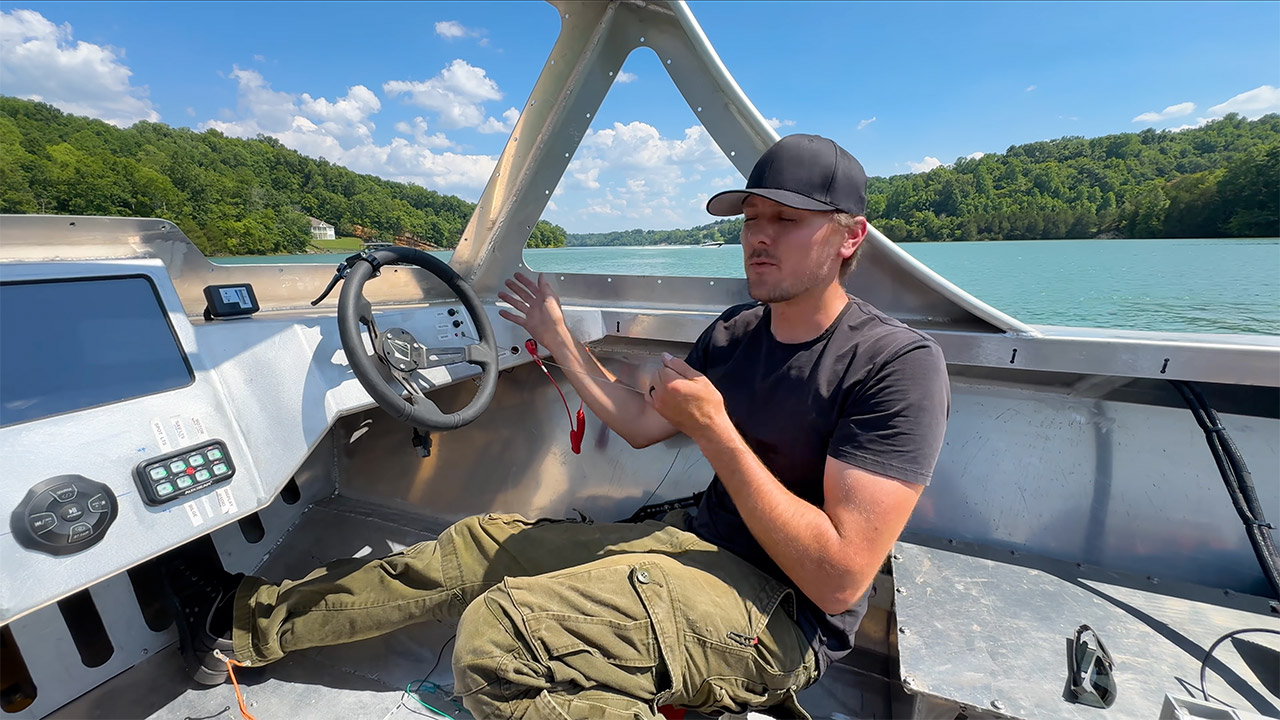
The first lake outings were a bit of an adventure because the boat would float and even move under its own power but wouldn’t come up on plane correctly. The battery was giving warnings, the water pump had failed, and the motor was being held back by low power restrictions. Fever had to bring it back to shore before it became wet or caught fire. Later attempts wrecked the electronics when he turned off the motor while it was still spinning, all for the expense of a single button hit, which came to around $6,000. Replacing the modules, installing a stronger motor, and conducting additional testing resolved the majority of the issues.
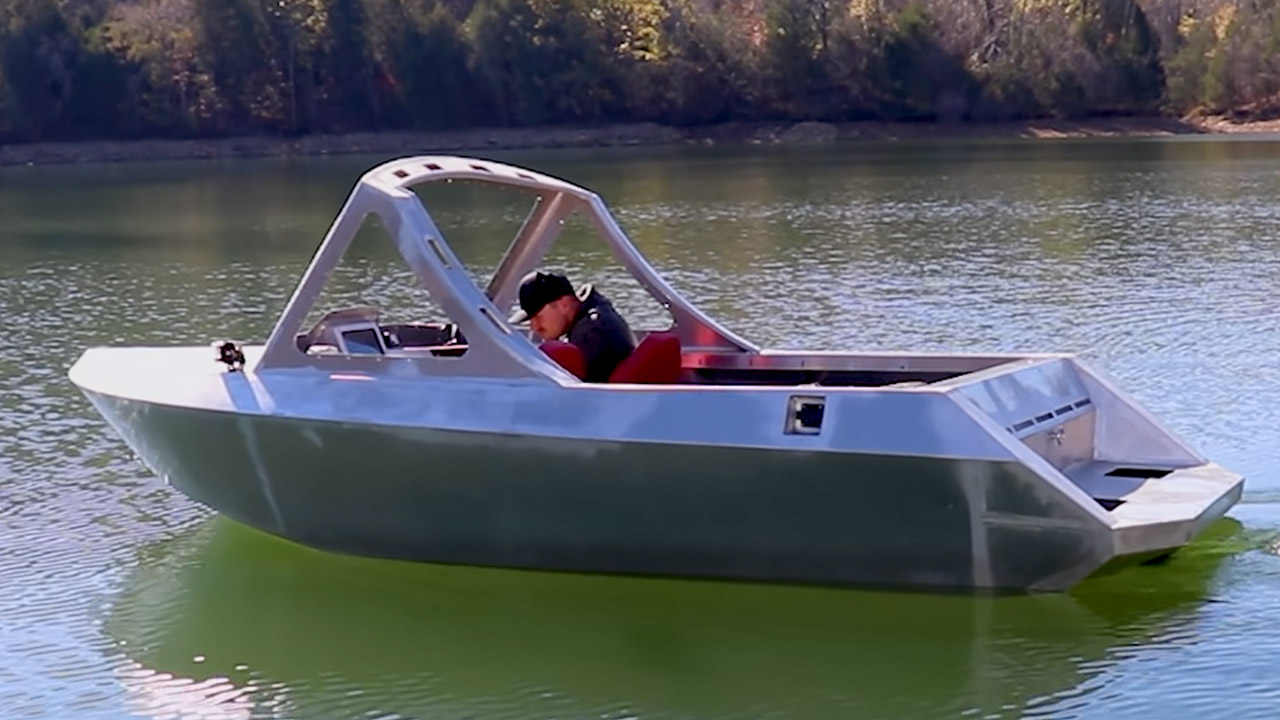
Out on a calm lake, the hull now gets up on plane pretty quickly, is nearly silent, and has reached speeds of around 50 mph. A nighttime cruise through downtown Nashville revealed that it was just as silent and had the same rapid throttle response as electric automobiles, but with a jet of water instead of tires. Fever continues to warn that working with high voltage inside a metal hull on water is extremely dangerous and not something most people should even consider.
Prop Department Spends Three Years Building a Crazy Tesla-Powered Mini Jetboat, Called Cyberboat
#Prop #Department #Spends #Years #Building #Crazy #TeslaPowered #Mini #Jetboat #Called #Cyberboat
